


EU infringement proceedings and Green Houses: What really changes for the Italian construction industry?


Europe is calling Italy to account on the Energy Performance of Buildings Directive (EPBD). But behind the political delays lies a new investment cycle that will redefine the value of our real estate assets.
The news broke a few days ago: the European Commission has launched infringement proceedings against Italy for failing to submit its National Restructuring Plan. The message from Brussels is clear: decarbonizing buildings is no longer an option, but a regulatory and time-bound obligation.
Beyond the emergency: the stability that was missing
While the Superbonus was a "flamestorm" that fueled the market, the EPBD aims to create a structural framework. The goal is to reduce primary energy consumption in residential buildings by 16% by 2030. To achieve these numbers, simply replacing a boiler won't be enough: we need to work on the building envelope.
Why the Ventilated Facade is the technical answer to the EPBD
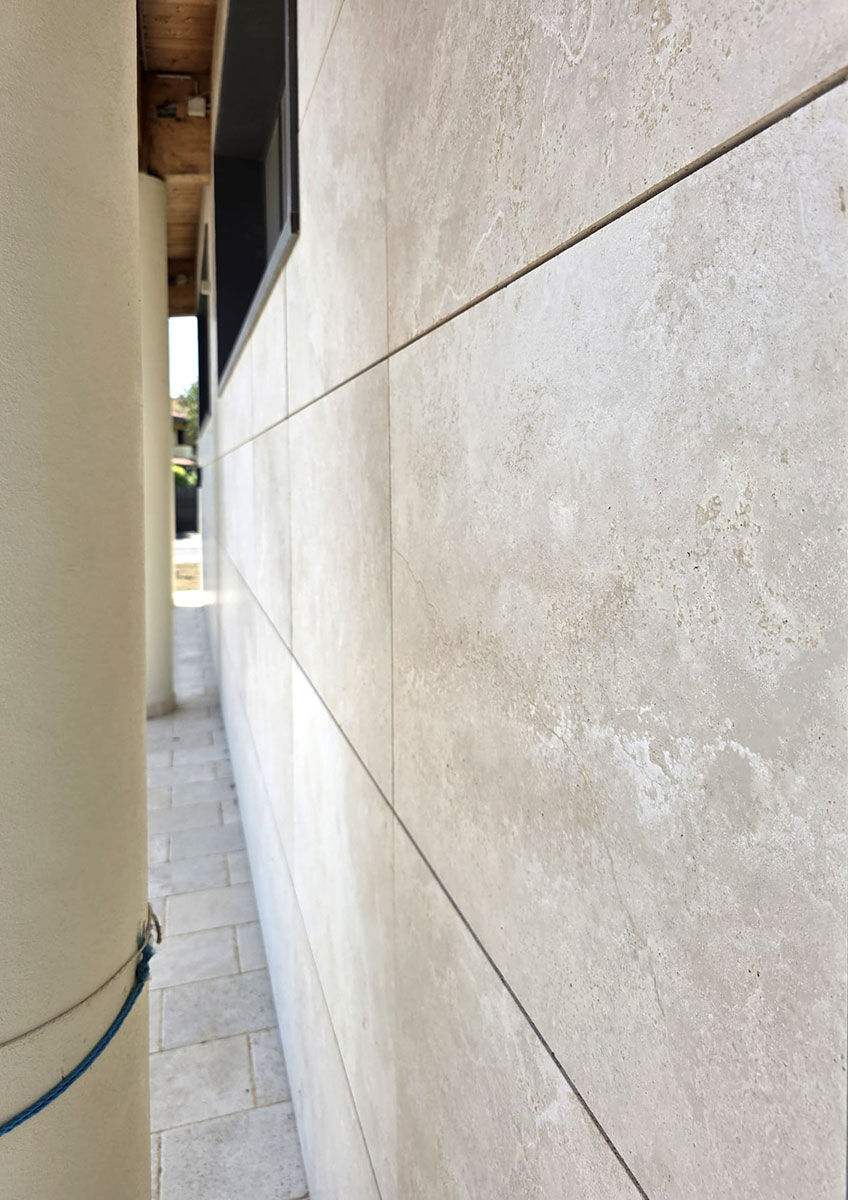
In this scenario, the choice of technology is no longer merely aesthetic, but financial. The ventilated facade is positioned as the definitive solution for three reasons:
Durability: Unlike wet systems, it maintains its certified thermal performance for over 50 years.
Summer Comfort: The directive emphasizes reducing cooling. The stack effect of the ventilated façade is the only passive technology capable of drastically reducing summer heat loads.
Asset Value Protection: With the introduction of the new standards, class G and F properties will suffer a devaluation. Renovating today with highly durable systems means protecting the value of your property.

Conclusions: From Delay to Action
The government's delay in presenting the national plan should not be misleading: minimum energy performance standards will arrive.
For planners and investors, moving early means accessing technologies (and future incentives) with greater technical awareness.

VM Group is already working alongside its partners to design buildings that are not only "compliant" but ready for 2050. Contact us for a personalized technical consultation and prepare your building for 2050.



Comments