


Ventilated Facades: From Ancient Norwegian Farms to the Design of the Future


Did you know that one of the most advanced technologies in modern architecture has its roots in the barns of medieval Norway? Today we're talking about ventilated facades, a solution that combines stunning aesthetics and incredible energy performance, but whose history will surprise you.
Curiosity: the origin of the “Rainscreen”
Long before glass and steel skyscrapers, Norwegian builders used the “open joint” technique. They applied a layer of wood spaced away from the main wall to protect the brick from heavy rain. This cavity allowed moisture to evaporate naturally: the principle of the rainscreen, the grandfather of modern ventilated facades, was born.

How do ventilated facades work today?
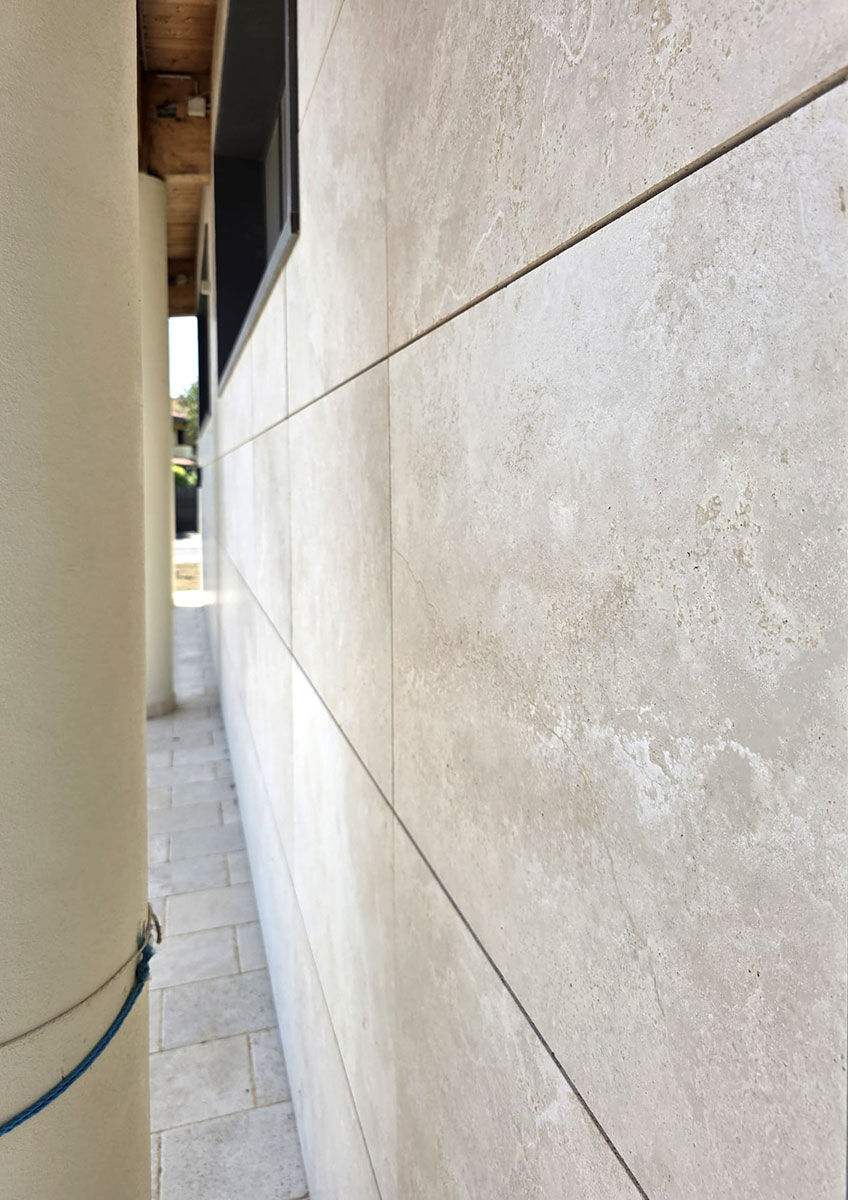
Today, we no longer use only wood, but also technological materials such as stoneware, aluminum, or natural stone. However, the secret remains the same: the chimney effect. Thanks to an air gap between the external cladding and the insulation, a natural air flow is created that:
In summer: removes heat accumulated by radiation, keeping the interior cool.
In winter: eliminates moisture and condensation, protecting the building structure.

Why choose ventilated facades for your project?
In addition to energy savings (which can reach up to 30-40% on your bill), these structures offer an “invisible” advantage: they allow you to hide pipes, cables, and technical systems in the cavity, leaving the facade clean and linear, but making maintenance very easy.
Ventilated facades are not just a technical choice, they are a real protective and intelligent “skin” for the building.



Comments